Your Shopping Cart is empty.
{{ 'product.bundled_products.label' | translate }}
{{ 'product.bundle_group_products.label' | translate }}
{{ 'product.buyandget.label' | translate }}
{{ 'product.gift.label' | translate }}
{{ 'product.addon_products.label' | translate }}
{{item.product.title_translations|translateModel}}
{{ field.name_translations | translateModel }}
-
{{ childProduct.title_translations | translateModel }}
{{ getChildVariationShorthand(childProduct.child_variation) }}
-
{{ getSelectedItemDetail(selectedChildProduct, item).childProductName }} x {{ selectedChildProduct.quantity || 1 }}
{{ getSelectedItemDetail(selectedChildProduct, item).childVariationName }}
{{item.variation.name}}
{{item.quantity}}x
{{ item.unit_point }} Point
{{ 'product.addon_products.label' | translate }}
{{addonItem.product.title_translations|translateModel}}
{{addonItem.quantity}}x
{{ mainConfig.merchantData.base_currency.alternate_symbol + "0" }}


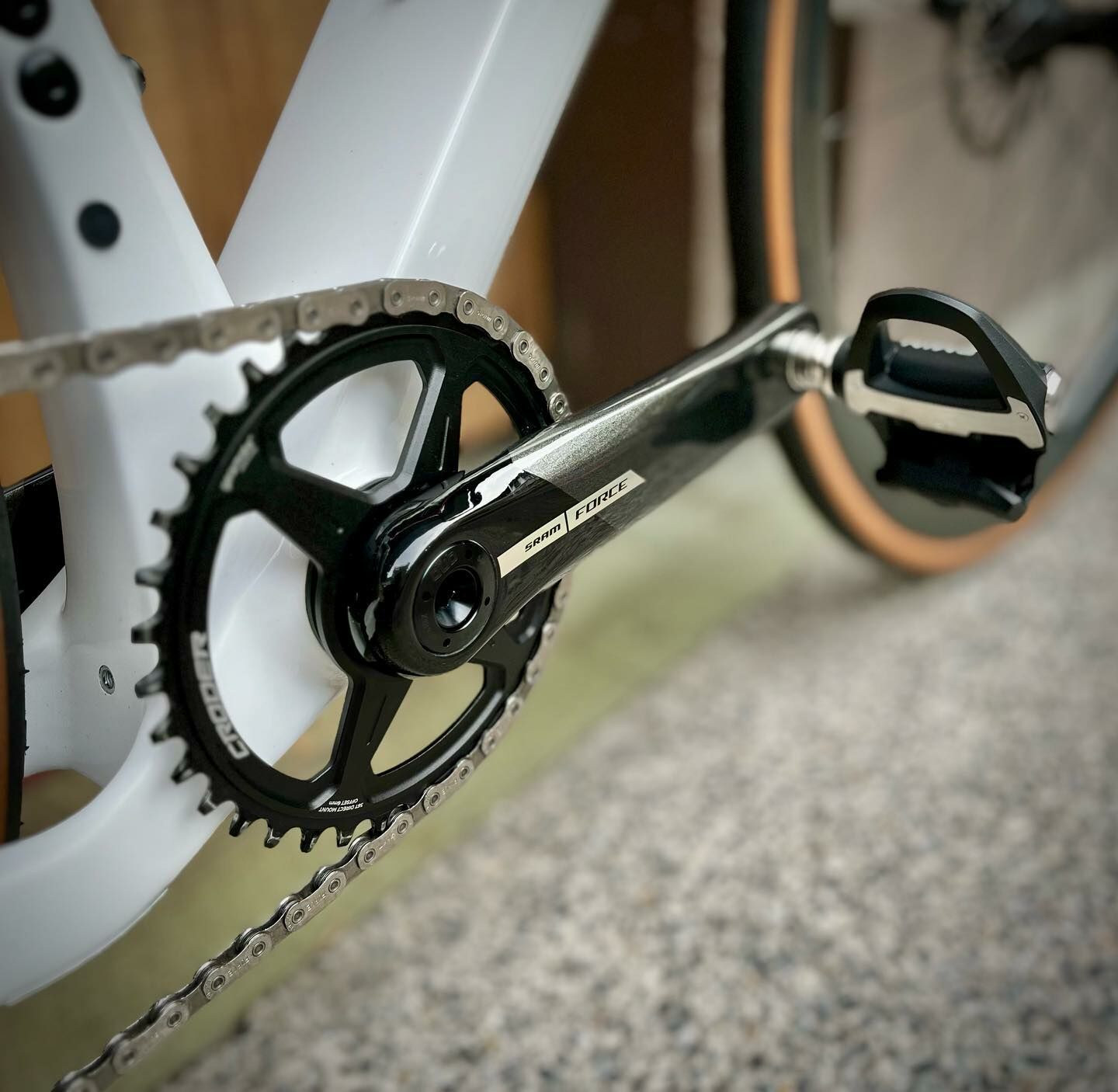
![Super Compact Chainring 43/30T for SRAM AXS System and Gravel Bike [BCD 110mm / 4-Arm SHIMANO]](https://shoplineimg.com/62b04a9e17c9c40015995c16/67beb60d05d767000d423cf9/1512x.jpg?)
![Super Compact Chainring 43/30T for SRAM AXS System and Gravel Bike [BCD 110mm / 4-Arm SHIMANO]](https://shoplineimg.com/62b04a9e17c9c40015995c16/666bf1475b8c20000d2b7b72/3860x.jpg?)
![Gearmate Super Compact Chainring SHIMANO 4-Arm [For 11/12 Speed]](https://shoplineimg.com/62b04a9e17c9c40015995c16/6588e1f6d6cf71001d26873f/3260x.jpg?)
![Gearmate Super Compact Chainring SHIMANO 4-Arm [For 11/12 Speed]](https://shoplineimg.com/62b04a9e17c9c40015995c16/65b223618542c70014e48dde/3860x.jpg?)
![Gearmate Chainring SHIMANO 4-Arm [For 11/12 Speed]](https://shoplineimg.com/62b04a9e17c9c40015995c16/66309a4a437d9e000e75ce0d/3260x.png?)