Gravel and long-distance riding demand more from your bar tape than a typical road setup. The terrain is rougher, the hours are longer, and your hands take a beating. Choosing the right tape isn't about preference — it's about survival.
Vibration — Rough Roads Are the Norm
On gravel, smooth pavement is the exception. Loose rocks, packed dirt, and broken surfaces send constant vibration through your handlebars. Over a few hours, that adds up to hand fatigue, numbness, and lost grip strength — the kind that makes braking and shifting feel uncertain when you need control most.
Many riders assume thicker tape solves this problem. But thickness alone doesn't equal vibration damping. A thick tape with low-quality foam just adds bulk without absorbing much impact. What matters is the padding structure underneath.
A tape with an Organic-Gel layer does this more effectively than standard foam. The gel absorbs high-frequency buzz before it reaches your palms, while the foam layer handles larger impacts. This combination keeps your hands fresher over long distances without making the bar feel oversized.
Grip — Sweat, Mud, and All-Day Riding
Long rides mean hours of sweating. Gravel adds the possibility of mud, dust, and water spray. In these conditions, a smooth tape surface becomes a liability — especially during hard braking on descents, accelerating out of corners, or standing climbs where your grip shifts constantly.
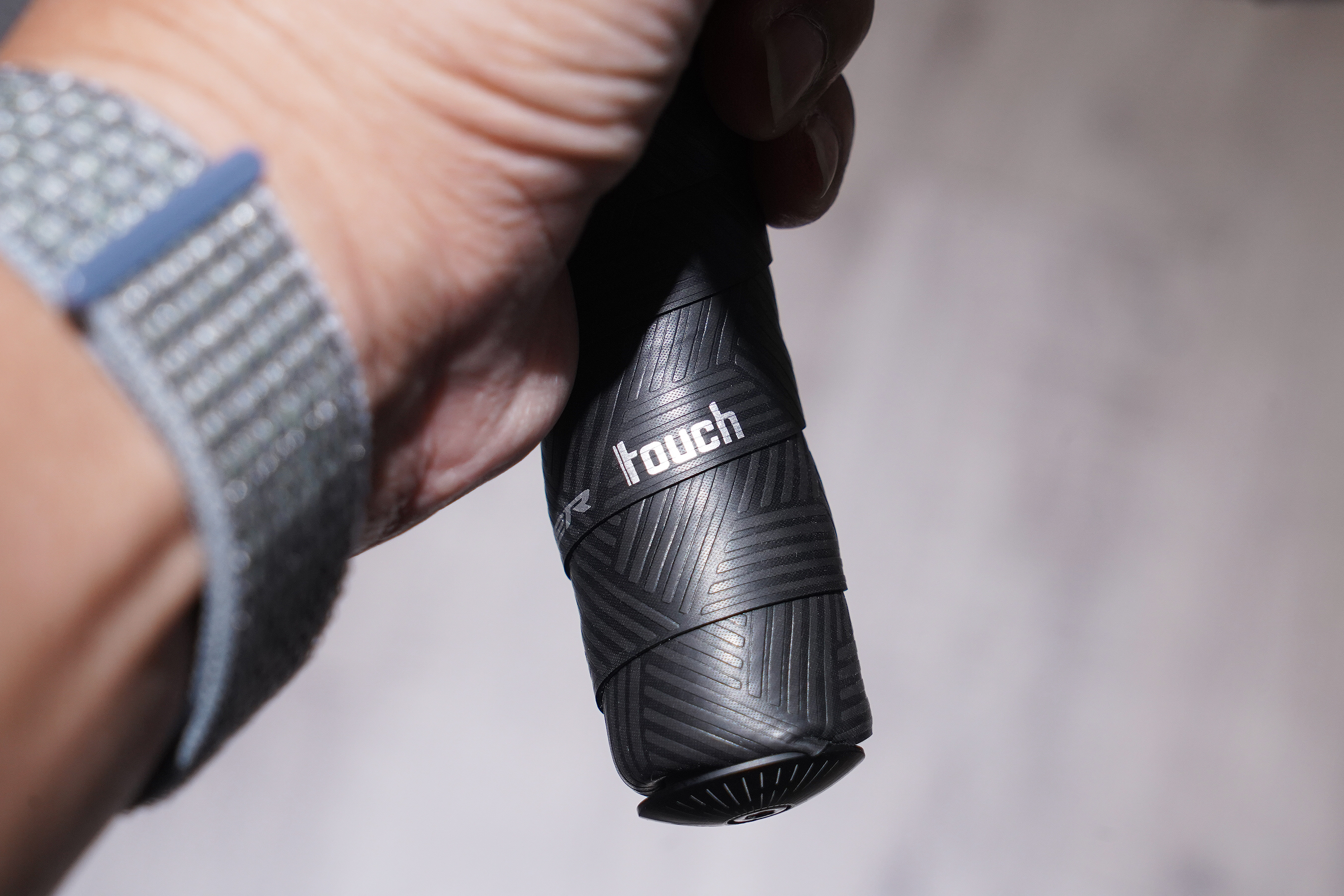
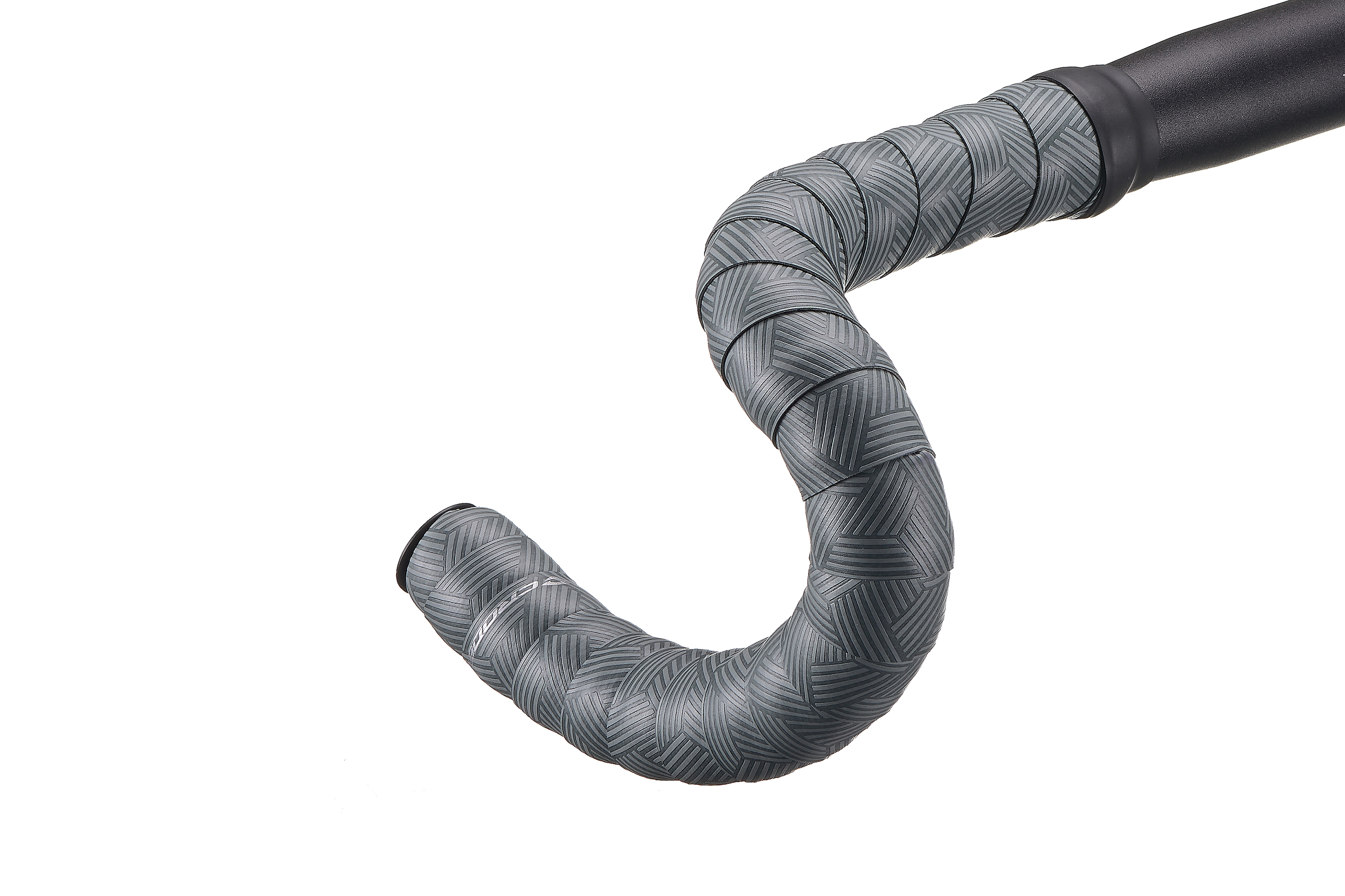
Textured surfaces help maintain friction when things get slippery. Roller embossed patterns — where geometric shapes are physically pressed into the material — create channels that move moisture away from your palms. Unlike printed textures that wear smooth over time, embossed patterns stay effective because the texture is part of the material itself, not a coating on top.
Durability — Built to Last
Gravel riding is harder on equipment. Bar tape takes abuse from dirt, sweat, and frequent hand repositioning. The wear shows up fastest at the top of the bars and around the bend where your hands spend the most time.
Cheaper tapes compress and wear through quickly in these high-contact areas. A PU surface layer resists abrasion better than cork or basic foam options. Paired with high-density EVA padding, it maintains its structure and cushioning over months of rough use.
That said, even durable tape doesn't last forever. Sweat and bacteria accumulate over time, and the padding gradually loses its responsiveness. For gravel and long-distance riders putting in serious hours, replacing your tape every 4-6 months keeps performance and hygiene where they should be.
The Right Tape for the Job
For gravel and long-distance riding, prioritize vibration damping, wet-weather grip, and material durability. These aren't nice-to-haves — they directly affect how you feel at kilometer 80 versus kilometer 20.
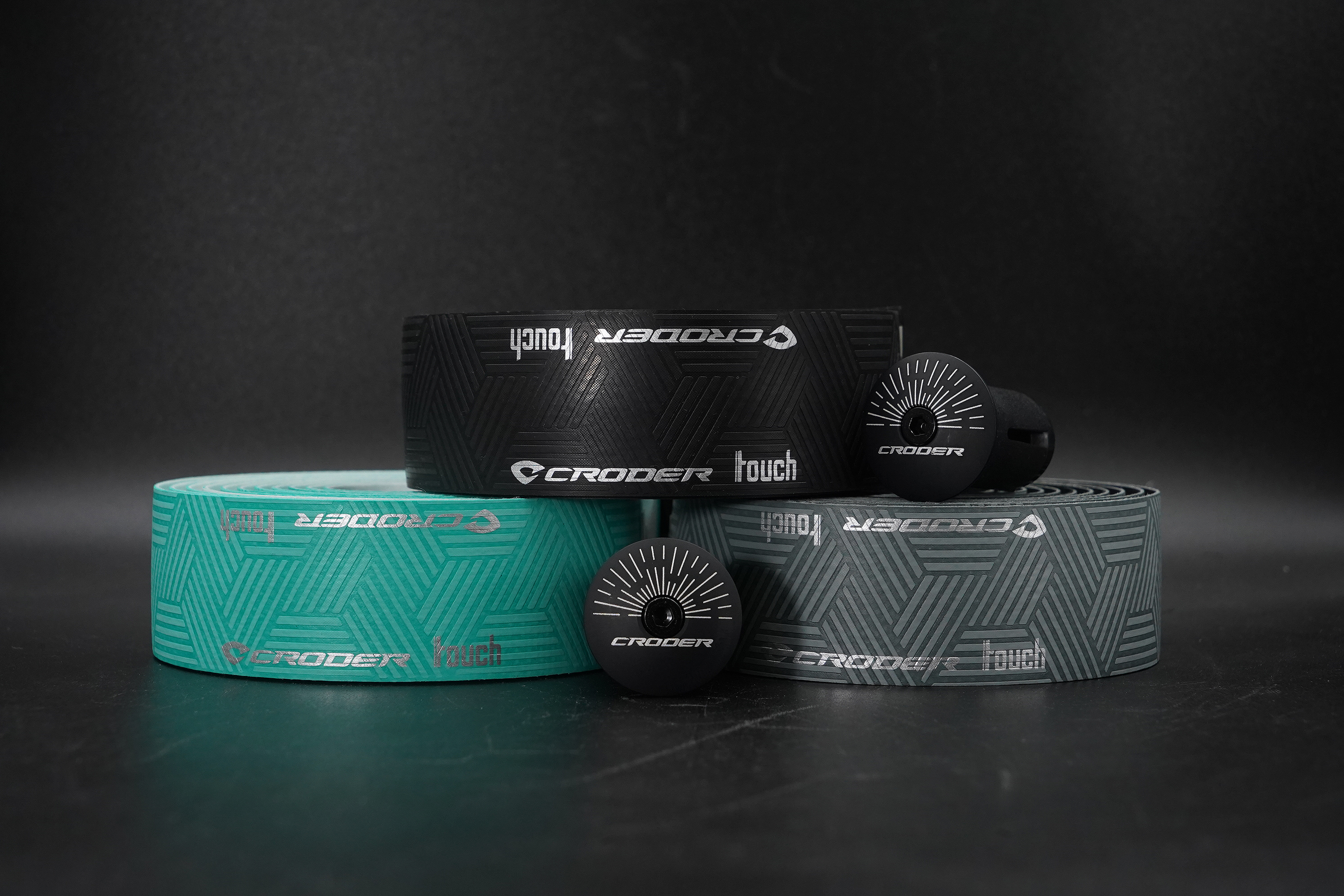
The CRODER Cross Line series is designed around these demands: 2.5mm Organic-Gel padding for effective vibration absorption, Roller Embossed texture for all-condition grip, and CNC aluminum screw-in end plugs that won't shake loose on rough terrain.